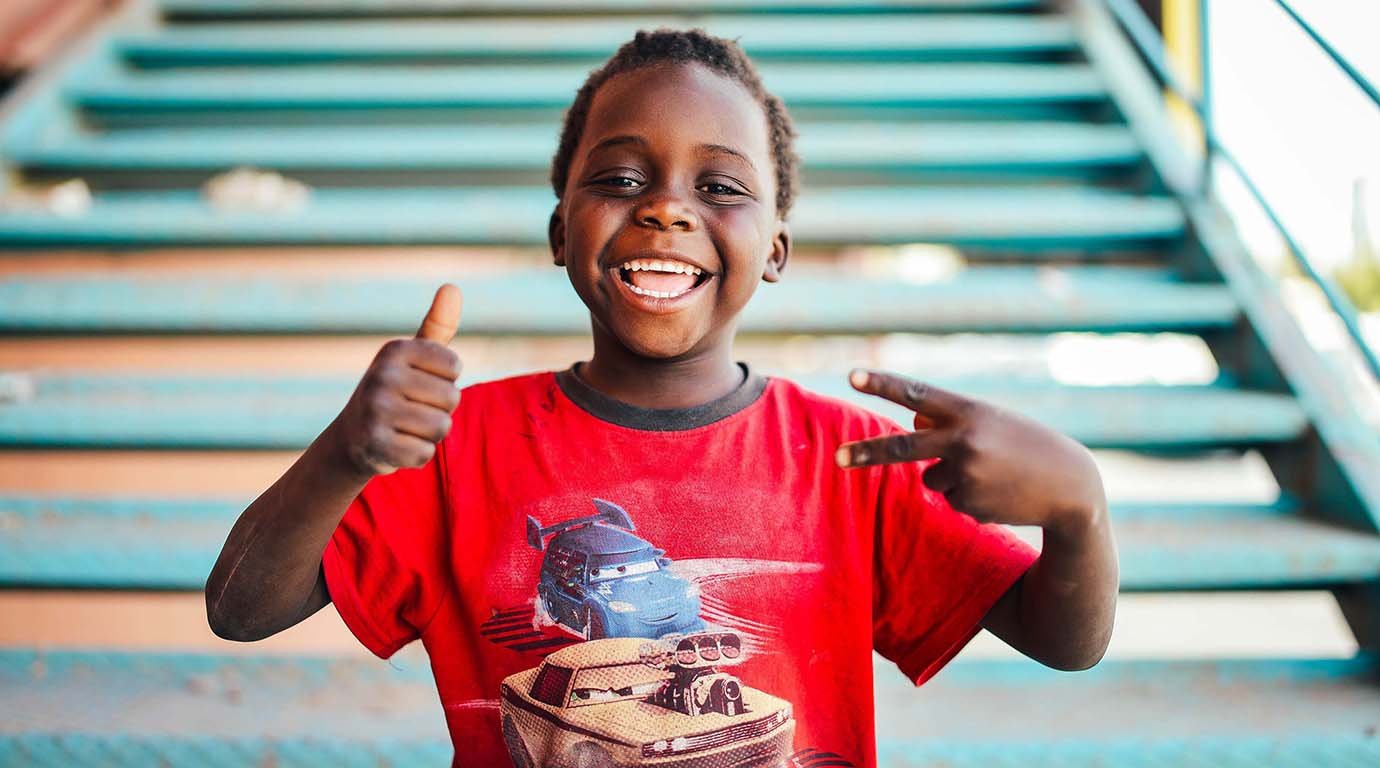
Every child deserves the opportunity to grow up healthy, safe, educated and surrounded by people who care about their future. Yet millions of children around the world continue to face poverty, hunger, disease, conflict, displacement and limited access to education.
This is where global child-focused programmes become essential. Save the Children works across countries and communities to help children survive, learn, stay safe and build resilient futures. Its global strategy focuses on four central goals: giving children a healthy start in life, helping them safely attend school and learn, protecting them from violence, and supporting resilient families.
Helping Children Survive and Stay Healthy
A child’s future begins with good health.
Save the Children’s health programmes work to prevent avoidable deaths and improve access to essential healthcare, nutrition, vaccinations and maternal and newborn care. The organisation also works with governments and local partners to strengthen health systems so that communities can continue providing quality care long after individual projects end.
Nutrition is another important part of this work. Children experiencing severe malnutrition can face life-threatening consequences, particularly during conflicts, food crises and natural disasters. Programmes that identify malnutrition early and provide treatment can give vulnerable children another chance to grow and thrive.
Education: Opening the Door to Opportunity
Education is one of the most powerful tools for breaking the cycle of poverty.
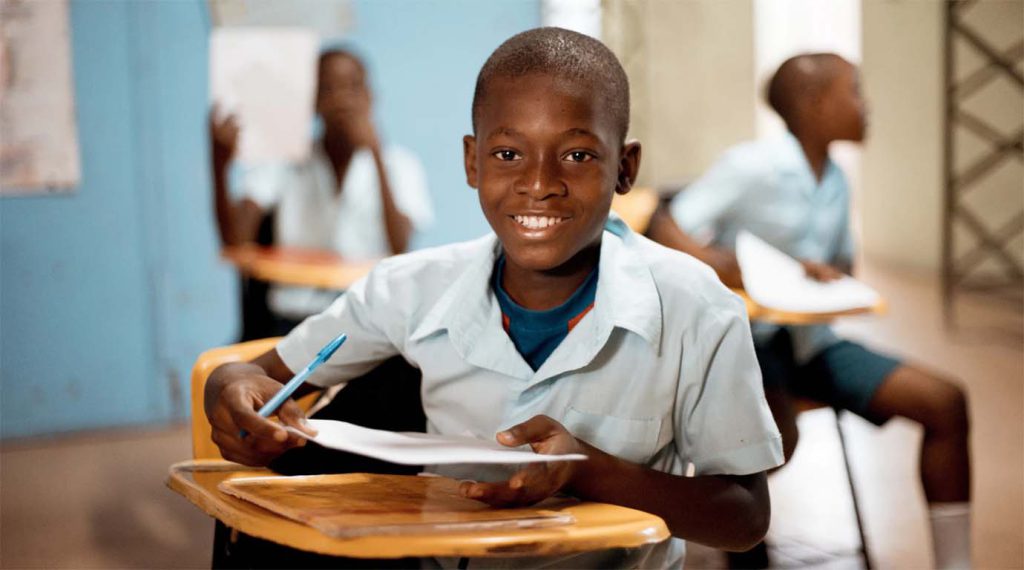
Save the Children supports access to quality and inclusive education, including early childhood development and learning opportunities for children affected by conflict and disasters. Its programmes can include temporary learning spaces, teacher training, literacy and numeracy support, and efforts to help children who have dropped out of school return to education.
For a child living in poverty, access to education can mean much more than learning to read and write. It can mean gaining confidence, developing skills and having the opportunity to imagine a different future.
Protecting Children From Violence and Exploitation
Children deserve to grow up in environments where they are protected from abuse, exploitation, violence and harmful practices.
Child protection is therefore an important part of Save the Children’s work. In humanitarian emergencies, children can face additional risks, including separation from caregivers, exploitation and abuse. Save the Children incorporates child protection into emergency responses and provides safe spaces, psychosocial support and assistance with family reunification where needed.
Protecting children means giving them more than physical safety. It means creating environments where they can develop emotionally, socially and mentally without fear.
Responding When Disaster Strikes
Wars, floods, earthquakes, disease outbreaks and other emergencies can destroy homes, schools, healthcare systems and livelihoods within a very short time.
In these moments, speed can save lives.
Save the Children provides emergency assistance that can include food, clean water, shelter, healthcare, cash assistance, education, child-friendly spaces and psychological support. Its emergency approach also includes preparing communities before crises occur and helping them recover afterwards.
In 2025, Save the Children reported responding to 113 humanitarian crises across 63 countries, reaching more than 24 million people, including 13 million children.
Building Stronger and More Resilient Families
Helping children also means helping the families and communities around them.
Poverty can prevent families from meeting basic needs and can make children particularly vulnerable. Programmes that strengthen household livelihoods, improve access to essential services and help communities prepare for future shocks can reduce these risks.
The goal is not simply to provide temporary assistance. It is to help families develop the resilience and resources needed to create a more secure future.
Lessons From Nigeria
Save the Children’s work in Nigeria provides an important example of how global child-focused programmes can respond to local realities.
The organisation has worked in Nigeria since 2001 and focuses on ensuring children survive, learn and are protected. Its programmes include health and nutrition, education, child protection, water and sanitation, food security and livelihoods, as well as humanitarian assistance.
According to its 2025 Nigeria impact figures, Save the Children reached 1.3 million children, while 1.2 million people were reached through health and nutrition interventions, 504,000 through food security and livelihood initiatives, and 357,000 through education initiatives.
These efforts demonstrate an important principle: meaningful change happens when humanitarian assistance is combined with long-term investment in people, communities and systems.
Every Child Deserves a Chance
The work of Save the Children reflects a simple but powerful belief: a child’s circumstances should not determine the limits of their future.
Whether a child lives in a wealthy city, a rural community, a refugee settlement or an area affected by conflict, they deserve the same fundamental opportunities—to be healthy, to learn, to be protected and to dream.
Global programmes can provide the resources and expertise needed to make those opportunities possible. But lasting change also requires communities, governments, organisations, donors and individuals to work together.
What Can We Learn?
The greatest lesson from global child-focused programmes is that helping children requires more than responding to immediate needs.
We must also ask:
How can we prevent the problem from happening again?
How can we empower families to become stronger?
How can we make education accessible to every child?
How can we protect children from violence and exploitation?
How can we ensure that vulnerable communities are prepared for the next crisis?
When we ask these questions, charity becomes more than giving. It becomes empowerment, protection, opportunity and hope.
Creating a Future Where Every Child Can Thrive
The challenges facing children around the world are enormous, but so is the potential for change.
A meal can restore strength.
A vaccination can prevent disease.
A classroom can open a future.
A safe space can restore confidence.
A caring adult can give hope.
And a community working together can transform lives.
Supporting children is an investment in the future of humanity. When we protect and empower children today, we help create healthier families, stronger communities and a more hopeful world tomorrow.
A Future Worth Building
Every child deserves the chance to smile, learn, grow and dream without being limited by poverty, conflict or circumstances beyond their control.
The work of organisations such as Save the Children reminds us that child welfare is a shared responsibility.
We can all contribute—through volunteering, advocacy, donations, professional skills, community programmes or simply by standing up for the rights and dignity of vulnerable children.
Because when we invest in a child, we invest in a future.
And when we give a child hope, we help build a better world for everyone.
Esther Olorunfemi Foundation — Giving Hope, Saving Lives.